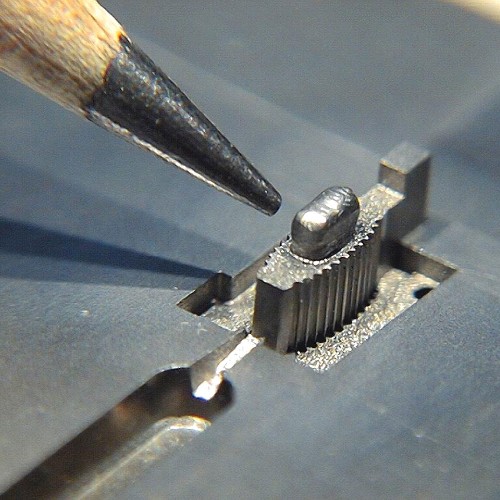
 Heat control is one of the most important skills in micro TIG welding. When you are working with extremely small components and thin materials, even a slight excess of heat can cause burn through, distortion, or damage to surrounding areas. On the other hand, too little heat can lead to weak joints or incomplete fusion. Finding the right balance is what separates average results from truly precise work.
Understanding how to manage heat effectively will improve weld quality, reduce defects, and help you achieve consistent results across even the most delicate projects.
Why Heat Control Matters at a Micro Level
In micro TIG welding, the margin for error is very small. Thin metals heat up quickly and do not dissipate heat as effectively as thicker materials. This means that temperature can rise rapidly, often faster than the welder expects.
Because of this, controlling heat is not just about setting the right machine parameters. It also involves timing, technique, and a strong awareness of how the material responds during the welding process. Every movement and adjustment plays a role in the final outcome.
Start with the Right Amperage Settings
One of the most effective ways to control heat is by setting the correct amperage from the beginning. Lower amperage is typically required for micro TIG welding due to the small size and thinness of the materials involved.
Using too much amperage can quickly overwhelm the material, leading to burn through or excessive melting. Starting with a lower setting and gradually adjusting as needed allows for better control. Fine tuning is key, and even small changes can make a noticeable difference.
Use Pulse Welding for Better Control
Pulse settings can significantly improve heat management in micro TIG welding. By alternating between high and low current levels, pulse welding reduces the overall heat input while still maintaining a stable arc.
This technique allows the material to cool slightly between pulses, which helps prevent overheating. It also gives the welder more control over the weld pool, making it easier to produce clean and consistent results.
Maintain a Steady Travel Speed
Travel speed directly affects how much heat is applied to a specific area. Moving too slowly allows heat to build up, increasing the risk of damage. Moving too quickly can result in poor fusion and weak welds.
A steady and controlled pace is essential. Consistency matters more than speed. Developing a rhythm that matches the material and settings will help maintain the right balance of heat throughout the weld.
Control Arc Length and Torch Position
Arc length has a direct impact on heat concentration. A shorter arc length produces a more focused and controlled heat zone, which is ideal for micro TIG welding. A longer arc spreads the heat and reduces precision.
Keeping the torch at the correct angle and distance from the workpiece helps maintain a stable arc. Small variations in positioning can lead to noticeable changes in heat distribution, so attention to detail is critical.
Choose the Right Tungsten and Filler Material
The type and size of tungsten electrode you use can influence heat control. Smaller diameter electrodes are often better suited for micro TIG welding because they allow for a more concentrated arc.
Filler material should also be matched carefully to the base metal. Using the correct filler helps ensure smooth fusion and reduces the risk of overheating or contamination during the process.
Use Proper Shielding Gas Flow
While shielding gas is primarily used to protect the weld from contamination, it also plays a role in heat control. Proper gas flow helps stabilize the arc, which contributes to consistent heat application.
Too much or too little gas can disrupt the arc and lead to uneven heating. Maintaining the correct flow rate ensures a stable welding environment and supports better overall control.
Work in Short Intervals
Instead of applying continuous heat for extended periods, many professionals work in short intervals. This approach allows the material to cool slightly between welds, reducing the risk of heat buildup.
Taking brief pauses can make a significant difference, especially when working on sensitive components. It also gives you time to assess the weld and make adjustments if needed.
Practice and Consistency Make the Difference
Heat control in micro TIG welding is not something that can be mastered instantly. It requires practice, patience, and a strong understanding of how different factors interact during the welding process.
By focusing on consistent technique and making careful adjustments, you can improve your control over time. The more experience you gain, the more intuitive heat management will become.
Conclusion
Controlling heat in micro TIG welding is essential for achieving precise, high quality results. From selecting the right settings to maintaining steady technique, every detail contributes to the final weld.
By paying close attention to heat input and making thoughtful adjustments throughout the process, welders can avoid common issues and produce strong, reliable joints. In a field where precision is everything, mastering heat control is one of the most valuable skills you can develop.