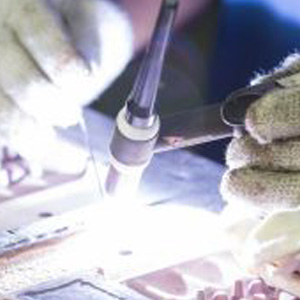
 Microscopic TIG welding is all about precision. When you are working at such a small scale, even the smallest inconsistency can lead to weak welds, cosmetic defects, or complete part failure. Whether you are in medical manufacturing, electronics, or fine component repair, avoiding common mistakes is essential for consistent results. Below are some of the most frequent issues welders face and how to prevent them.
Poor Surface Preparation
One of the most common mistakes in microscopic TIG welding is not properly preparing the material. At a microscopic level, even tiny amounts of oil, oxidation, or debris can interfere with the weld. Contaminants can lead to porosity, weak bonds, or inconsistent arc behavior.
Proper cleaning should always come first. This means using appropriate solvents, ensuring the material is free of oxidation, and handling components with care to avoid reintroducing contaminants. Clean material is the foundation of every successful weld.
Incorrect Heat Control
Heat management is critical in microscopic TIG welding. Applying too much heat can easily burn through thin materials, while too little heat can result in weak or incomplete fusion. Because the margin for error is so small, inconsistent heat input often leads to defects.
Welders need to develop a steady hand and a strong understanding of how their equipment responds. Fine adjustments to amperage and timing make a significant difference. Consistency is far more important than speed in this type of work.
Using the Wrong Tungsten or Filler Material
Selecting the wrong tungsten electrode or filler material can negatively impact weld quality. Different materials require specific electrode types and filler compositions to achieve proper fusion and strength.
Using mismatched materials can cause instability in the arc, contamination, or weak joints. It is important to match the electrode and filler material to the base metal and the specific application. This ensures both strength and durability in the finished weld.
Poor Torch Control and Positioning
Microscopic TIG welding requires extremely precise torch control. Even slight movements can affect the weld pool and lead to uneven results. Holding the torch at the wrong angle or moving too quickly can disrupt the arc and reduce weld quality.
Maintaining a steady hand and proper torch angle is essential. Many professionals rely on supports or fixtures to stabilize their movements. Small improvements in control can lead to significantly better outcomes.
Inadequate Shielding Gas Coverage
Shielding gas protects the weld area from contamination during the welding process. If gas coverage is inconsistent or insufficient, the weld can become oxidized or contaminated, leading to discoloration and reduced strength.
Ensuring proper gas flow and positioning is key. Even minor disruptions in shielding can have a major impact at a microscopic level. Regularly checking equipment and gas delivery systems helps maintain consistent coverage.
Lack of Magnification or Improper Viewing Setup
Microscopic TIG welding relies heavily on magnification. Attempting to weld without proper visual support or using inadequate magnification can lead to poor accuracy and missed defects.
A high quality microscope or magnification system allows welders to see fine details clearly. Proper lighting and positioning also play a major role. Clear visibility is not optional in this type of work, it is essential.
Rushing the Process
Speed is often the enemy of precision. Rushing through microscopic TIG welding increases the likelihood of mistakes, especially when working with delicate or high value components.
Taking the time to carefully control each step leads to better results. Slowing down allows for improved accuracy, better heat control, and more consistent weld quality overall.
Ignoring Equipment Calibration and Maintenance
Even the best technique cannot compensate for poorly maintained equipment. Inaccurate settings, worn components, or inconsistent power delivery can all affect weld performance.
Regular calibration and maintenance ensure that the welding system operates as expected. Keeping equipment in top condition reduces variability and helps produce reliable, repeatable results.
Final Thoughts
Microscopic TIG welding demands a high level of skill, attention to detail, and patience. Many of the most common mistakes come down to overlooking small details that have a big impact. By focusing on proper preparation, precise control, and consistent technique, welders can significantly improve their results and avoid costly errors.
Mastering these fundamentals not only improves weld quality but also builds confidence when working on the most delicate and demanding projects.