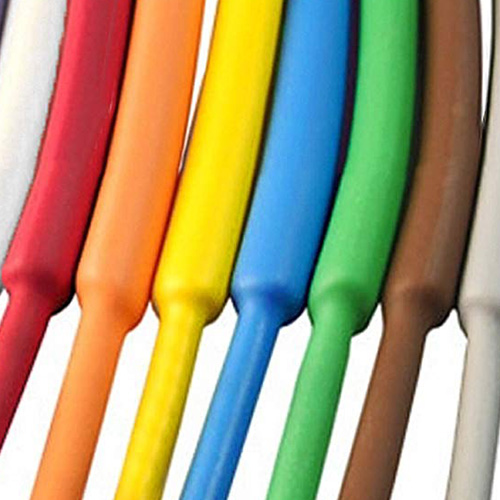
 Heat shrink products are one of the simplest, most effective ways to protect cables and connections—but only when they’re used correctly. Small mistakes during selection or installation can lead to poor seals, early failures, and costly rework.
If you want long-lasting, professional results, here are the most common heat shrink mistakes to avoid—and how to get it right the first time.
1. Choosing the Wrong Size
This is the most common issue contractors run into.
If your heat shrink is:
- Too large → it won’t fully seal or grip the surface
- Too small → it won’t fit over connectors or components
How to avoid it:
- Measure both the largest diameter (pre-shrink) and smallest diameter (post-shrink)
- Choose the correct shrink ratio (2:1, 3:1, 4:1+)
- Make sure the product can comfortably shrink down without overstressing
A proper fit is the foundation of durability.
2. Ignoring Shrink Ratio
Not all heat shrink behaves the same.
Using a low shrink ratio where a high ratio is needed can result in:
- Gaps around connectors
- Weak seals
- Incomplete coverage
How to avoid it:
- Use higher shrink ratios (3:1 or 4:1+) for irregular shapes or connectors
- Reserve 2:1 tubing for simple, uniform applications
When in doubt, go with more flexibility.
3. Skipping Adhesive-Lined Heat Shrink
Standard (single-wall) heat shrink is fine for basic insulation—but it won’t seal out moisture.
This becomes a problem in:
- Outdoor environments
- Marine applications
- Industrial settings
How to avoid it:
Use adhesive-lined (dual-wall) heat shrink when:
- You need a water-resistant seal
- Long-term durability matters
- The connection is exposed to the elements
That inner adhesive layer makes a huge difference.
4. Uneven Heating
Applying heat incorrectly can ruin an otherwise perfect install.
Common issues:
- Burning or scorching the material
- Uneven shrinkage
- Air pockets or weak spots
How to avoid it:
- Use a controlled heat source (heat gun preferred over open flame)
- Apply heat evenly, rotating around the product
- Start from the center and work outward
Think controlled, consistent heat—not brute force.
5. Not Using the Right Shape
Tubing isn’t always the answer.
Using standard tubing where a specialized shape is needed can lead to:
- Poor strain relief
- Weak seals at transitions
- Awkward or bulky installs
How to avoid it:
Use purpose-built solutions like:
- Breakout boots for multiple cable exits
- Right-angle boots for tight bends
- Transition boots for varying diameters
- End caps for sealing cable ends
The right shape improves both performance and appearance.
6. Overheating the Material
More heat doesn’t mean better results.
Overheating can:
- Damage the outer layer
- Burn off adhesive before it flows properly
- Reduce long-term durability
How to avoid it:
- Follow recommended temperature guidelines
- Watch for visual cues (uniform shrink, adhesive flow)
- Stop once the material has fully conformed
Heat until it’s done—not until it’s cooked.
7. Poor Surface Preparation
Heat shrink won’t perform well if the surface underneath isn’t clean.
Issues include:
- Dirt or oil preventing proper adhesion
- Moisture trapped under the seal
- Debris creating gaps
How to avoid it:
- Clean and dry the cable or connector before installation
- Remove oils, dust, and contaminants
- Ensure surfaces are ready for a tight seal
A clean surface = a reliable seal.
8. Ignoring Environmental Conditions
Not all heat shrink products are built for every environment.
Using the wrong type can lead to:
- UV degradation
- Chemical breakdown
- Cracking in extreme temperatures
How to avoid it:
Choose products rated for:
- UV exposure (for outdoor installs)
- Chemical resistance (industrial environments)
- Temperature extremes
Match the product to the environment—not the other way around.
9. Rushing the Installation
Trying to speed through installation often leads to mistakes that take longer to fix later.
Common rushed-install issues:
- Uneven shrink
- Missed gaps
- Incomplete adhesive flow
How to avoid it:
- Take your time with heating
- Inspect the finished result
- Ensure a full, consistent seal before moving on
A few extra minutes now can save hours later.
10. Prioritizing Price Over Quality
Cheap heat shrink can cost more in the long run.
Lower-quality products often:
- Shrink unevenly
- Crack over time
- Fail in harsh conditions
How to avoid it:
- Choose reliable, high-quality materials
- Work with trusted suppliers
- Focus on long-term performance—not just upfront cost
Durability always wins.
Final Thoughts
Heat shrink products are incredibly effective—but only when used properly. Avoiding these common mistakes will help you achieve:
- Stronger seals
- Longer-lasting protection
- Fewer callbacks and repairs
With the right sizing, materials, and installation techniques, you can ensure your heat shrink applications perform exactly as intended—every time.