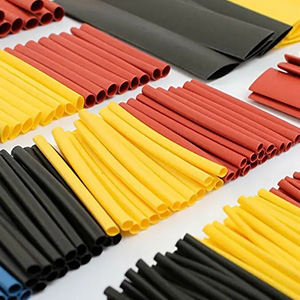
 When it comes to protecting cables, connections, and wire harnesses, durability isn’t optional—it’s everything. A high-quality heat shrink product doesn’t just fit well; it performs under pressure, resists harsh conditions, and extends the life of critical systems.
But what actually makes a heat-shrink product durable?
Let’s break it down.
1. Material Composition Matters
The foundation of any durable heat shrink product is the material it’s made from.
Most high-performance heat shrink products are made from polyolefin, elastomers, or specialized polymers engineered for:
- Heat resistance
- Chemical resistance
- Mechanical strength
Premium materials maintain flexibility while resisting cracking, even after repeated thermal cycles. Lower-quality materials, on the other hand, can become brittle over time—especially in outdoor or industrial environments.
2. Adhesive Lining (Dual-Wall Construction)
One of the biggest durability upgrades in heat shrink products is adhesive-lined (dual-wall) construction.
When heated:
- The outer layer shrinks tightly around the cable
- The inner adhesive melts and flows, sealing gaps
This creates:
- A water-resistant seal
- Protection against dirt, dust, and contaminants
- Improved strain relief
Without adhesive lining, moisture can sneak in—leading to corrosion and early failure.
3. Shrink Ratio and Fit
Durability isn’t just about toughness—it’s about fit.
Heat shrink products come in different shrink ratios (like 2:1, 3:1, 4:1+). A higher shrink ratio allows the product to:
- Conform tightly to irregular shapes
- Seal over connectors and transitions
- Maintain consistent الضغط (pressure) across surfaces
A poor fit leaves gaps, and gaps lead to vulnerability.
4. Resistance to Environmental Factors
A durable heat shrink product must stand up to real-world conditions, including:
Moisture & Water Exposure
Water-resistant designs prevent ingress that can damage wiring and connectors.
UV Exposure
Outdoor applications require UV-stabilized materials to prevent degradation from sunlight.
Chemicals & Oils
Industrial environments often expose cables to fuels, lubricants, and solvents—materials must resist breakdown.
Temperature Extremes
From freezing winters to high-heat machinery, durable heat shrink must maintain performance across a wide range.
5. Mechanical Strength and Flexibility
Durability isn’t just about being tough—it’s about being tough and flexible.
High-quality heat shrink products:
- Resist abrasion and impact
- Provide strain relief at connection points
- Flex with movement without cracking
This is especially important in applications with vibration, like marine systems, vehicles, or heavy equipment.
6. Proper Design for the Application
Different shapes serve different durability purposes.
For example:
- Breakout boots help seal multiple cable exits
- Right-angle boots reduce stress at sharp bends
- End caps protect unused cable ends
- Transition boots manage size changes between components
Using the right product for the job dramatically increases long-term performance.
7. Manufacturing Quality and Consistency
Even the best materials can fail if manufacturing is inconsistent.
Durable heat shrink products are:
- Precisely molded or extruded
- Uniform in wall thickness
- Free of defects like air pockets or weak spots
Consistent production ensures predictable performance across every installation.
8. Installation Quality
Even the most durable product won’t perform if it’s installed incorrectly.
Best practices include:
- Applying even heat (avoid scorching)
- Ensuring full adhesive flow for sealed products
- Using the correct size and type for the application
A proper installation ensures the product reaches its full durability potential.
Why Durability Matters
A durable heat shrink product:
- Extends cable and connection lifespan
- Reduces maintenance and replacement costs
- Prevents system failures
- Improves safety in electrical systems
In industries where reliability is critical, cutting corners on durability can lead to costly consequences.
Final Thoughts
Durability in heat shrink products comes down to a combination of materials, design, fit, and installation. When all of these factors come together, you get a solution that doesn’t just protect—it performs for years under demanding conditions.
If you’re selecting heat shrink products for your next project, focusing on durability from the start will save you time, money, and headaches down the line.