 When it comes to electrical protection and cable management, choosing the right sleeving solution directly impacts safety, durability, and long-term performance. Two of the most widely used options are heat shrink sleeving and braided sleeving.
While both protect and organize cables, they serve different purposes depending on your application environment and performance requirements.
What Is Heat Shrink Sleeving?
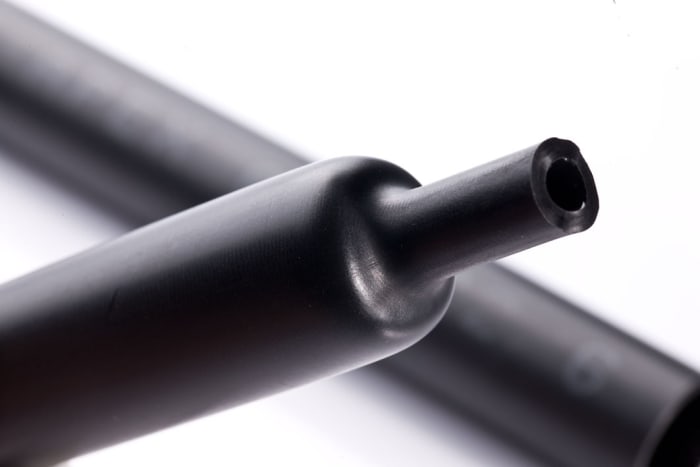
Heat shrink sleeving is a polymer-based sleeve that contracts when heat is applied. Once installed, it forms a tight, durable layer around wires, connectors, and terminals.
Key Benefits of Heat Shrink Sleeving
-
Electrical insulation for exposed conductors
-
Moisture and environmental sealing (with adhesive-lined options)
-
Strain relief at connection points
-
Abrasion and chemical resistance
-
Clean, professional finish
Best Applications
-
Automotive wiring harnesses
-
Industrial machinery
-
Aerospace assemblies
-
Outdoor electrical systems
-
Permanent installations requiring environmental protection
Because it shrinks to form a secure fit, heat shrink sleeving is ideal when long-term protection and sealing are essential.
What Is Braided Sleeving?
Braided sleeving is an expandable woven sleeve—often made from PET or nylon—that slips over cables without heat. It expands to accommodate connectors and contracts around the cable bundle.
Key Benefits of Braided Sleeving
-
Easy installation and removal
-
Excellent flexibility
-
Lightweight and breathable
-
Ideal for cable organization
-
Reusable and service-friendly
Best Applications
-
Control panels
-
Data centers
-
Robotics and automation
-
Applications requiring frequent maintenance
-
Situations where airflow is important
Braided sleeving is best when accessibility and flexibility matter more than environmental sealing.
Heat Shrink vs. Braided Sleeving: Key Differences
| Feature | Heat Shrink Sleeving | Braided Sleeving |
|---|---|---|
| Installation | Requires heat | No heat required |
| Fit | Tight, permanent | Flexible, expandable |
| Environmental Sealing | Yes (adhesive options) | No |
| Reusability | No | Yes |
| Strain Relief | Excellent | Moderate |
| Serviceability | Limited | High |
Which One Should You Choose?
The right choice depends on your application requirements:
Choose Heat Shrink Sleeving If You Need:
-
Moisture or chemical protection
-
Permanent installation
-
Electrical insulation
-
Strain relief in high-vibration environments
Choose Braided Sleeving If You Need:
-
Easy maintenance access
-
Cable organization
-
Expandability over connectors
-
Reusable protection
In some cases, the best solution is using both—braided sleeving for organization combined with heat shrink tubing at termination points for insulation and strain relief.
Why Quality Matters
Industrial environments demand materials that withstand heat, abrasion, vibration, and chemical exposure. Choosing the correct sleeving solution reduces downtime, improves safety, and extends the lifespan of your electrical systems.
For businesses in North Carolina and beyond, working with a knowledgeable supplier ensures you select the correct material, size, and configuration for your specific industry.
Final Thoughts
Both heat shrink sleeving and braided sleeving play essential roles in modern cable management systems. The right solution depends on whether your priority is environmental sealing and permanent protection or flexibility and serviceability.
Understanding these differences helps you make informed decisions that protect your equipment, improve safety, and enhance performance.