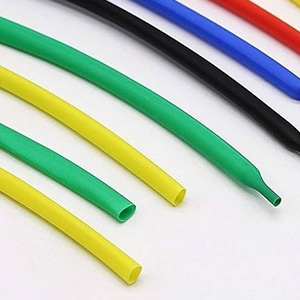
 Heat shrink tubing is a simple product on the surface, but the science behind it is surprisingly advanced. Used across electrical, automotive, aerospace, and industrial applications, heat shrink plays a key role in protecting wires, insulating connections, and improving durability. Understanding how it works helps explain why it is so reliable and widely used.
At its core, heat shrink technology is based on the behavior of specially engineered polymers. These materials are designed to change shape when exposed to heat, returning to a form that was built into them during manufacturing.
How Heat Shrink Tubing Is Made
The process begins with a thermoplastic material, often polyolefin. This material is first extruded into a tube with a standard diameter. At this stage, it looks like any other plastic tubing.
The key step comes next. The tubing is exposed to radiation or chemical treatment that creates cross linking between the polymer chains. This cross linking forms a stable structure that allows the material to remember its original shape.
After cross linking, the tubing is heated and mechanically expanded to a larger diameter. It is then cooled while held in this expanded form. This is the shape that users see when they purchase heat shrink tubing.
The Memory Effect Explained
The defining feature of heat shrink technology is its shape memory. When heat is applied during installation, the material attempts to return to its original, smaller diameter.
This happens because the cross linked polymer chains act like a network of stretched springs. When the tubing is reheated, the energy stored during expansion is released, causing the material to contract. The result is a tight, uniform fit around the object it covers.
This shrinking action is controlled and predictable, which is why heat shrink tubing can be used in precise applications.
The Role of Heat and Temperature
Temperature plays a critical role in how heat shrink tubing performs. Each type of tubing is designed with a specific shrink temperature range. When the material reaches this temperature, it becomes flexible enough for the molecular chains to move back toward their original configuration.
Applying too little heat may prevent full shrinkage, while excessive heat can damage the material. Proper temperature control ensures that the tubing shrinks evenly and maintains its structural integrity.
Adhesive Lined Heat Shrink and Sealing Technology
Some heat shrink tubing includes an inner adhesive layer that adds another level of functionality. As the tubing shrinks, the adhesive melts and flows into gaps around the connection.
This creates a sealed barrier that protects against moisture, dust, and other contaminants. The combination of mechanical shrink and chemical bonding enhances both protection and durability, making it ideal for harsh environments.
Material Properties and Performance
Different types of heat shrink tubing are engineered for specific applications. Factors such as flexibility, chemical resistance, and temperature tolerance all depend on the material used.
For example, polyolefin is commonly used for general electrical insulation due to its balance of strength and flexibility. Other materials may be selected for high temperature environments or exposure to chemicals. These variations allow heat shrink technology to adapt to a wide range of uses.
Why Heat Shrink Is So Effective
The effectiveness of heat shrink tubing comes from its ability to create a tight, protective layer that conforms exactly to the shape of the underlying component. Unlike tape or loose coverings, it does not rely on external pressure to stay in place.
The combination of shape memory, material strength, and optional adhesive sealing provides long lasting protection. This makes it a reliable solution for both simple repairs and complex industrial systems.
Conclusion
Heat shrink technology is built on a foundation of material science and precise engineering. From the cross linking of polymers to the controlled application of heat, every step is designed to create a dependable and consistent result.
By understanding the science behind heat shrink tubing, it becomes clear why it is such a valuable tool across so many industries. Its ability to protect, insulate, and adapt to different conditions makes it an essential component in modern electrical and mechanical systems.